So you're heading to Japan? Let's get it right.
We've put together the ultimate guide to visiting Japan — everything you need to know. Tokyo by neighbourhood, Kyoto + Osaka + Hiroshima decoded. Where to stay, our favourite ryokans and hostels, the food worth flying for, the Hokkaido + Hakuba ski circuit with lift-pass pricing, Mt Fuji + cherry blossom timing, the Shinkansen + JR Pass maths, the hidden gems the day-tours skip — and so much more. Over 1,000 hours of research, time on the ground and community submissions. This is the guide you need.
Every review is from a paying Aussies In member — unfiltered, unedited.
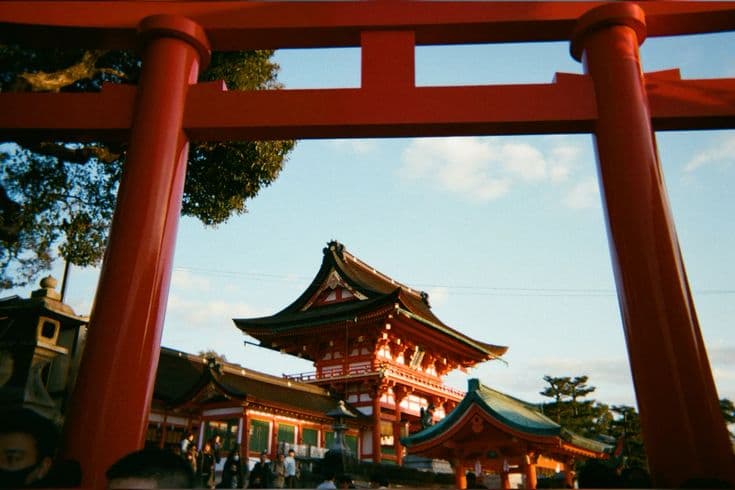
"Booked the JR Pass on their advice the week before the price jumped, which paid for the guide several times over on its own. The Kyoto temple-timing tips got us to Fushimi Inari before the tour buses turned up. Genuinely the most useful $15 I spent on the whole trip."
First time in Japan and I was terrified of getting it wrong. The Tokyo neighbourhood rundown sorted out where to base myself in about ten minutes, and the Suica card walkthrough meant I wasn't the bloke holding up the gate at Shinjuku station. Worth ten times what I paid.
We were about to fly straight into peak cherry blossom and pay triple for it. The when-to-go section pointed us at late March in a quieter region instead: same sakura, half the crowds, way less money. I've read a lot on Japan and nothing else came close to this for actual planning.
Genuinely excellent. The konbini and ryokan etiquette tips saved me from a few rookie mistakes on day one. Only docked a star because I wanted more on Hokkaido beyond the ski resorts. Everything else is the most useful travel guide I've bought.
Bought the Italy guide. Then the Vault. Then Pro. That's how good these are. I'm pre-ordering every guide before they exist. The community alone is worth it.
Reviews are from verified Aussies In buyers. Names abbreviated for privacy. No reviews have been removed or edited beyond grammar.
4 preview chapters are free below. 9 chapters — the bulk of the guide — unlock with purchase.
Most travellers spend 20–40 hours researching a trip like this — scrolling Reddit threads, saving Instagram videos, watching YouTubers in monetised content loops, comparing 12 blog posts that all say the same thing. This guide is what those hours should have given you.
"Knowing what to skip is worth as much as knowing what to do."
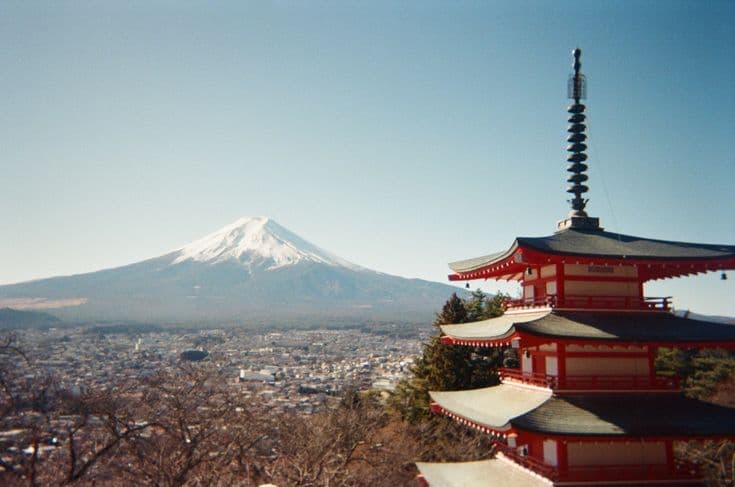
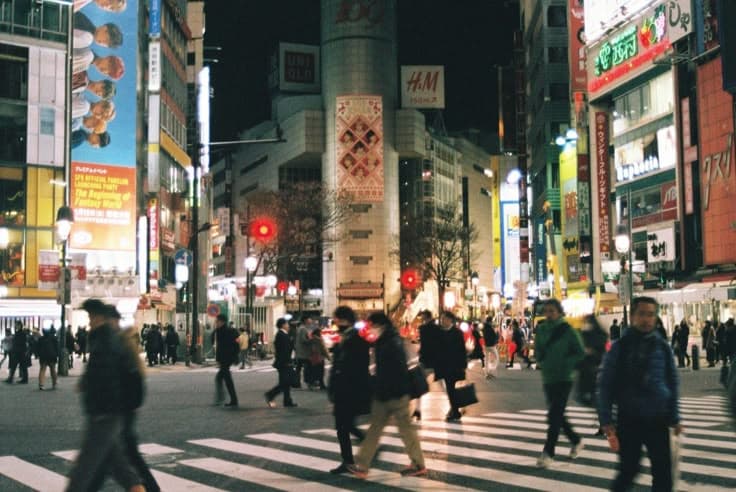
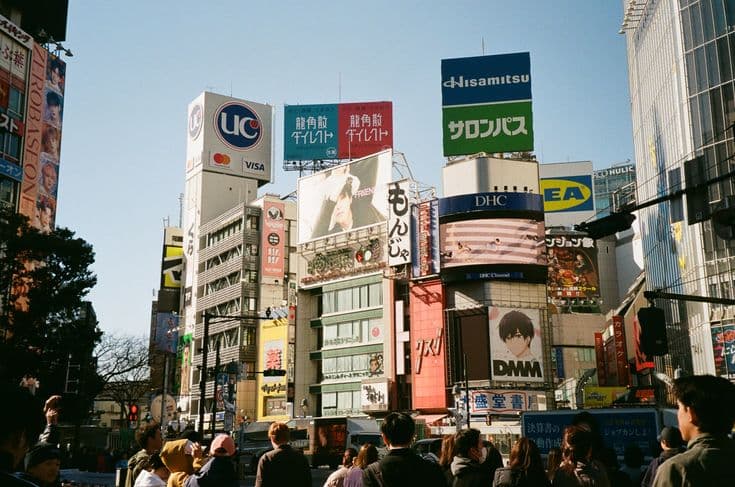
Tokyo, Kyoto + Nara, Osaka + Hiroshima, Hokkaido + Snow Country, Mt Fuji + Mountains, Hidden Gems
Best ramen by neighbourhood (Afuri, Tsuta, Ichiran), Toyosu fish market 5:30am tuna auction, Tsukiji outer market, Omoide Yokocho yakitori alley, Sukiyabashi Jiro
Niseko + Hakuba + Hokkaido lift passes (~A$80-A$110/day), accommodation tiers, when to book, the locals' alternatives (Nozawa, Furano, Myoko)
Sakura timing south-to-north (March → May), best spots per region; Mt Fuji 4 trails, hut bookings, sunrise tactics, July–September window
10 days, 2 weeks, 3 weeks, 1 month, 2 months. Pick yours, copy the route
Karaoke Kan + Big Echo, Round1 multi-storey arcades, Akihabara gachapon halls, the etiquette to enjoy them respectfully
Japan rewards meticulous prep — the JR Pass isn't an auto-buy anymore, cherry blossom hotels sell out 6 months ahead, and the etiquette stuff (no tipping, no chopsticks in rice) matters in a way it doesn't elsewhere. Run through this and you'll arrive knowing what to do.
Since October 2023 JR Pass prices nearly doubled. Tokyo-Kyoto-Osaka round-trip on Shinkansen ≈ ¥28,000 (~A$300); a 7-day pass is ¥50,000 (~A$540). Only buy if you're doing Hokkaido + Honshu + Kyushu in 7 days. Skip if you're just Tokyo + Kansai.
Tokyo + Kyoto fill 6+ months out for sakura (late March / early April) and momiji (mid-Nov). Off-peak (Jan-Feb, June, Sept) is wide open + half the price.
Iconic ryokan (Tawaraya in Kyoto, Gora Kadan in Hakone) book 6-12 months out. Mid-tier ryokan need 4-8 weeks. Pricey but the kaiseki dinner + onsen + tatami experience is the Japan trip many people are flying for.
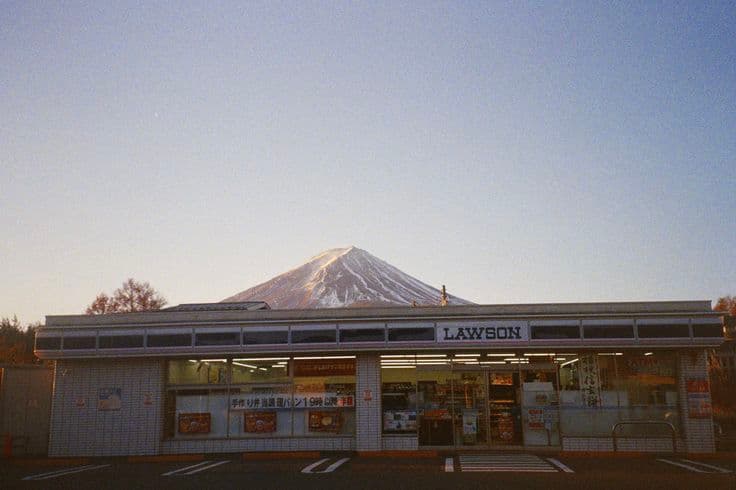
Released on the 10th of each month for entries the FOLLOWING month — they sell out in minutes. lawson.co.jp is the only legitimate channel. The day you forget is the day you don't get in.
teamLab is now timed-entry only, sells out 1-2 weeks ahead in peak season. Shibuya Sky same. Most popular Tokyo experiences need pre-booking.
Google Maps is reliable in Japan — download offline packs for backup. The Japan Travel by NAVITIME app handles trains/buses with English schedules + platform info; better than Google for complex transit.
Japan's prepaid SIMs need passport scan + queue. eSIMs work instantly. Note: Japan Wi-Fi is excellent (every station + most cafes) but you still want data for Google Maps when walking.
Tipping is offensive (literally — staff will chase you down). Slurping ramen is correct + expected. Shoes off entering ryokan, homes, and many restaurants — wear slip-ons. Chopsticks NEVER upright in rice (funeral symbol).
IC cards work on every metro/bus/Shinkansen + most vending machines + convenience stores. Add Suica to your Apple/Google Wallet from Australia — saves the airport queue.
Many Japanese ATMs don't accept foreign cards. 7-Eleven (Seven Bank), Japan Post Bank, and Lawson all do — 7-Eleven is the most reliable + everywhere. Always decline 'pay in AUD' (DCC).
Buy at the JR ticket office in any major airport. Welcome Suica is free for tourists, expires after 28 days. Tap to enter/exit + buy from konbini.
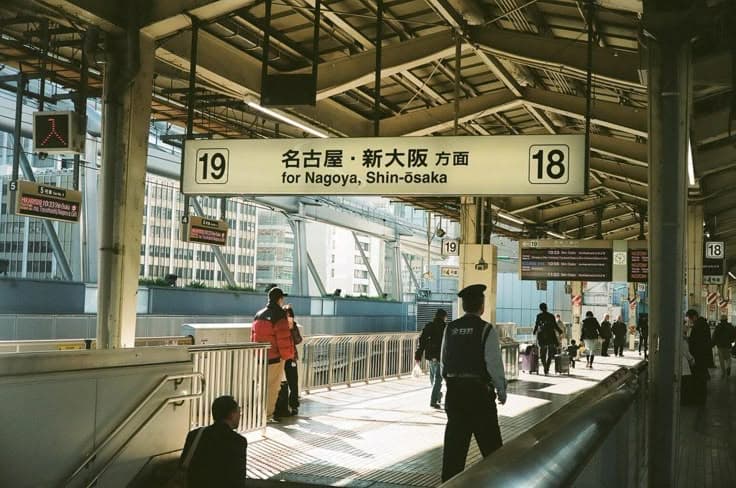
Japan has the world's best public transport. The Shinkansen (bullet train) does Tokyo → Kyoto in 2hr 15. Local trains arrive within 20 seconds of the timetable. The Suica or Pasmo IC card lets you tap on every train, bus, metro, taxi, vending machine and 7-Eleven in the country. Domestic flights (ANA + JAL + Peach + Jetstar Japan) often beat the Shinkansen for distance routes. The JR Pass is no longer the automatic move it once was — do the maths.
Tokyo → Kyoto in 2hr 15 (¥14,000, A$140 unreserved). Tokyo → Osaka 2hr 30. Tokyo → Hiroshima 4hr. Tokyo → Sapporo 8hr (fly instead). Punctual to the second. Reserve seats for peak times via smartEX (smart-ex.jp) or at any JR station ticket machine.
TIP — If you're not zigzagging the whole country, individual Shinkansen tickets beat the JR Pass (~A$500 / 7 days from late 2023). For a Tokyo-Kyoto-Osaka loop only, skip the pass.
The tap-and-pay card. Buy at any major station (¥500 deposit + load with cash) OR add a virtual one to your iPhone Wallet (works perfectly). Tap on every train, bus, taxi, vending machine + 7-Eleven + Family Mart + Lawson + most cafés. Top up at any convenience store or station kiosk.
TIP — Apple iPhone Suica is the move — add via Wallet, top up with Apple Pay. Skip the physical card queue at the station.
Tokyo → Sapporo (1.5hr, A$80-A$150) often beats Shinkansen (8hr). Tokyo → Okinawa (2.5hr, A$120) only viable option. Peach + Jetstar Japan are the low-cost; ANA + JAL the premiums. Book on 12go or direct.
TIP — Peach + Jetstar Japan charge for carry-on if you don't pre-pay. Narita (NRT) is far; Haneda (HND) is in central Tokyo — fly into Haneda when given the option.
Tokyo → Kyoto/Osaka overnight bus A$30-A$60 (vs Shinkansen A$140). Willer Express + JR Bus + Kosoku Bus the operators. Save the price of a hotel night + arrive at sunrise.
TIP — Book reclining 'standard 4-row' seats — the cheap 4-row + cramped 'business 3-row' is more comfortable but pricier. willerexpress.com has English booking.
Every mistake below is one this guide prevents. The numbers aren't theoretical — they're sourced from our community's actual reported losses on previous trips. Add them up and the math becomes hard to ignore.
You'll get every avoidance technique, every booking lead time, every scam-dodge, every Aussie-tested workaround. Lifetime updates. Money-back if it doesn't earn its keep.
Where to go. Where to stay. What to eat. How to get around. What to skip. Every answer in one place — researched by Aussies who've actually been.