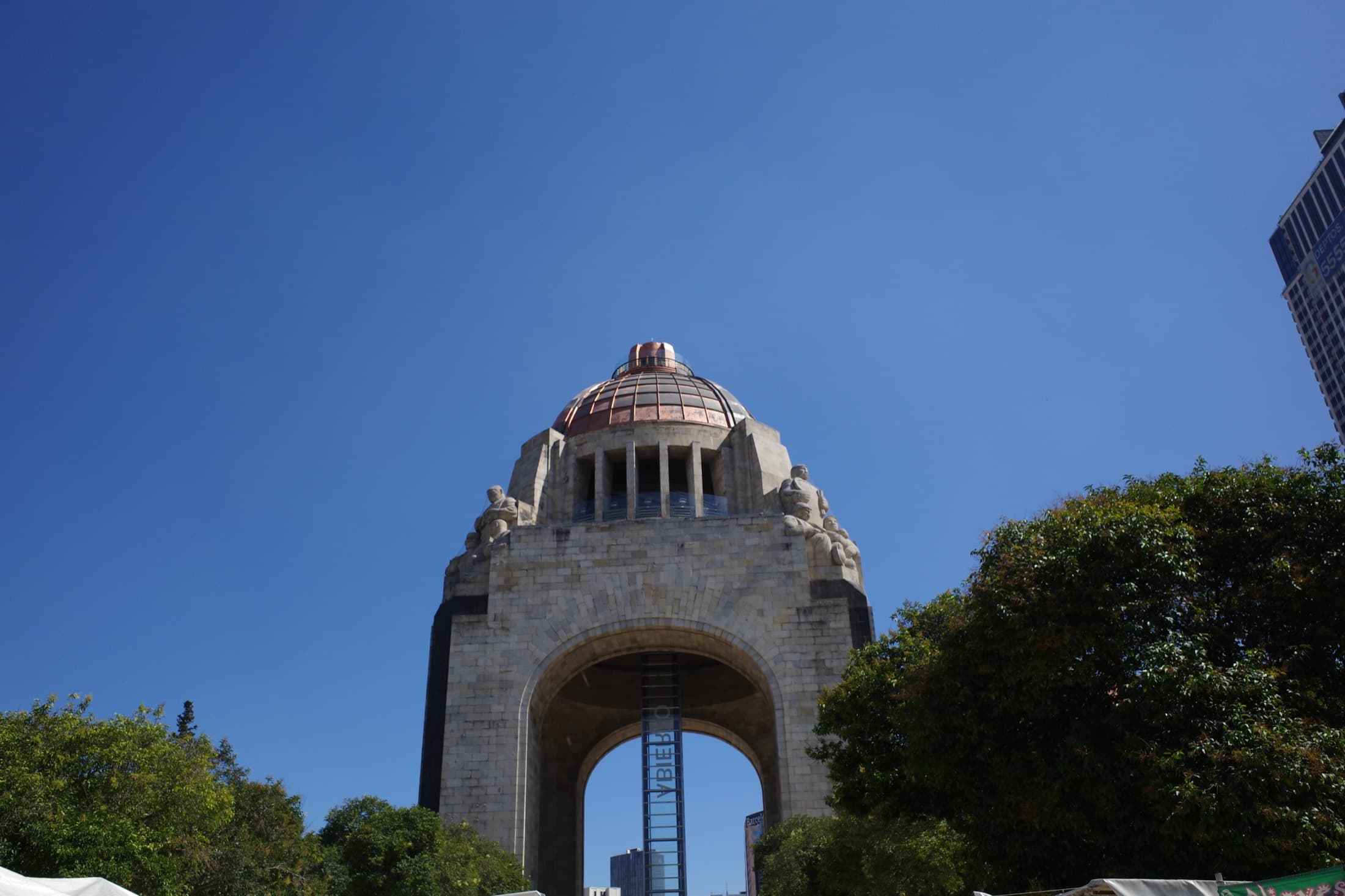
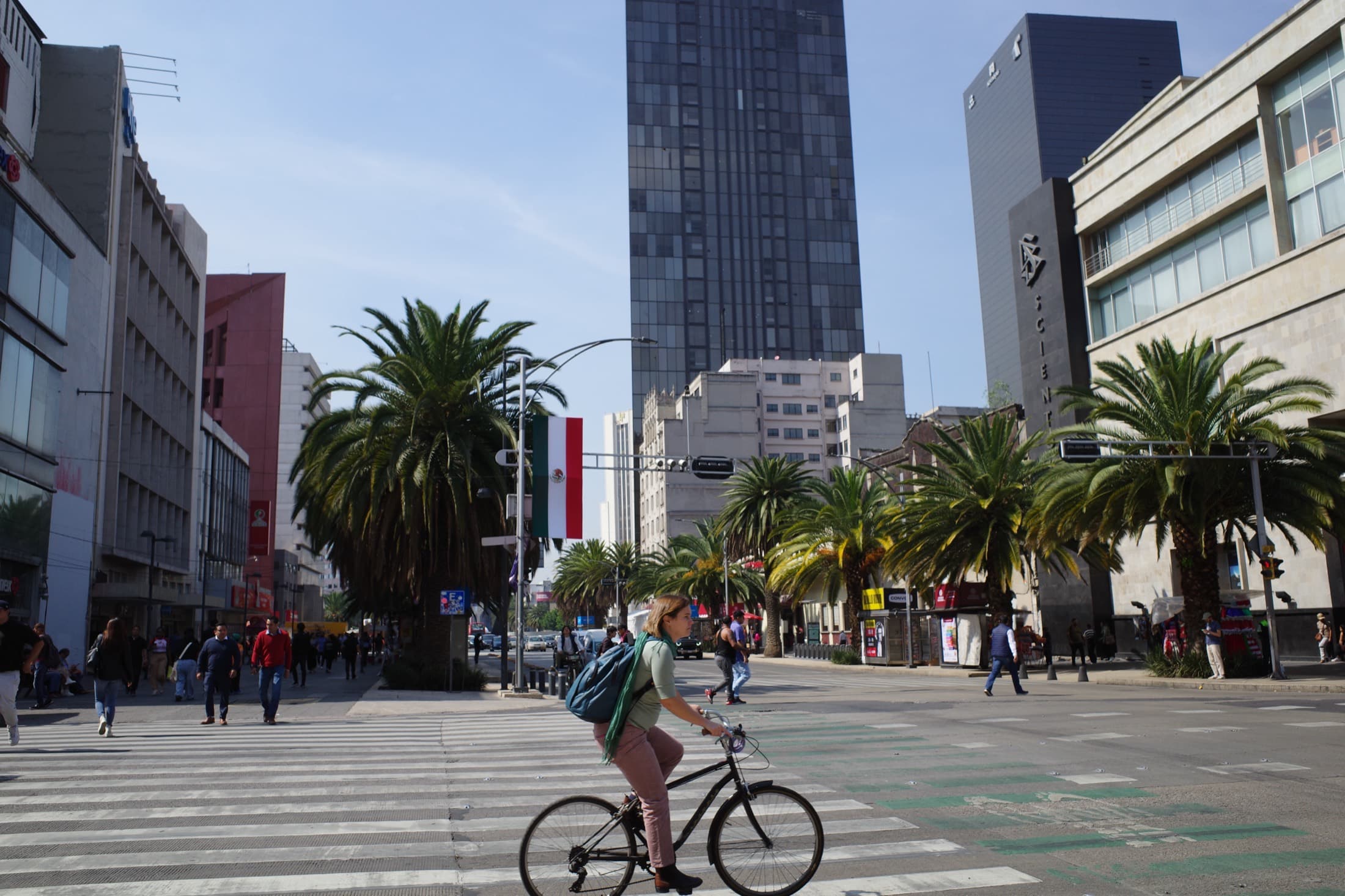

So you're heading to Mexico? Let's get it right — 180 days visa-free.
We've put together the ultimate guide to visiting Mexico — everything you need to know. CDMX by neighbourhood. The best spots on the Pacific coast and the ones to skip. Where to stay, our favourite hostels, Oaxaca's food playbook, the Yucatán cenote loop without the Cancún trap, the honest safety brief on cartels and la mordida, Day of the Dead done right, how to get around — and so much more. Over 1,000 hours of research, time on the ground and community submissions. This is the guide you need.
Every review is from a paying Aussies In member — unfiltered, unedited.
"Got the Mexico guide before our honeymoon. Skipped Cancun on their recommendation, went Oaxaca → Yucatán → Chiapas instead. Best trip we've ever done. Cried twice."
We were going to do Cancun for five days. Read this and changed the entire trip: CDMX, Oaxaca, then the Tulum cenote loop. Best decision we made, and we'd never have known about any of it otherwise.
We don't speak Spanish, weren't sure we'd cope. The 'first 24 hours' phrases section + the language pack got us through. Confidence is the real value here.
Useful overall, but I expected more from the food section. The restaurant picks were great, I just wanted deeper coverage of the regional food differences. Got my money's worth, though honestly I'd have pegged it as a $10 product, not $15.
Bought the Italy guide. Then the Vault. Then Pro. That's how good these are. I'm pre-ordering every guide before they exist. The community alone is worth it.
Reviews are from verified Aussies In buyers. Names abbreviated for privacy. No reviews have been removed or edited beyond grammar.
4 preview chapters are free below. 9 chapters — the bulk of the guide — unlock with purchase.
Most travellers spend 20–40 hours researching a trip like this — scrolling Reddit threads, saving Instagram videos, watching YouTubers in monetised content loops, comparing 12 blog posts that all say the same thing. This guide is what those hours should have given you.
"Knowing what to skip is worth as much as knowing what to do."
CDMX, Colonial Heartland, Oaxaca + Pacific, Chiapas + South, Yucatán + Caribbean, Baja + Hidden Gems
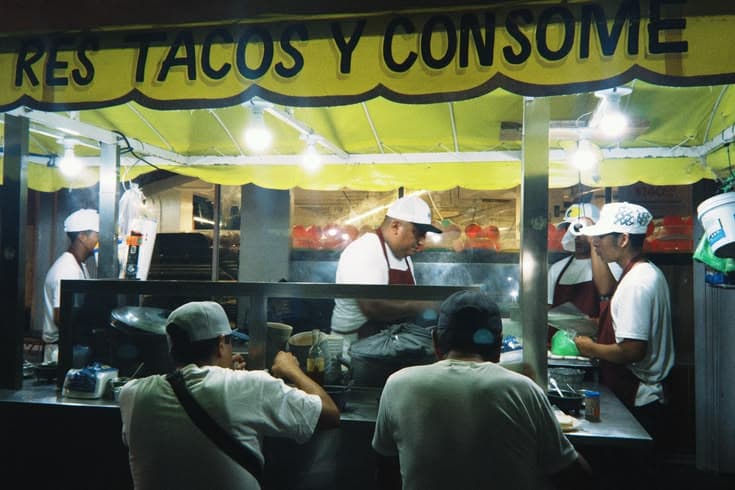
Tacos al pastor at El Vilsito + Los Cocuyos, Pujol + Quintonil for the Michelin tier, the markets, Mercado Roma, the Roma + Condesa cafés
Where to spend Oct 31 – Nov 2 (Oaxaca > Mexico City > Pátzcuaro), how to do it respectfully, accommodation lead times
Puerto Escondido + Mazunte + Zipolite + San Jose del Pacifico (mountain decompress). Plus Sayulita + Todos Santos
10 days, 2 weeks, 3 weeks, 1 month, 2 months. Pick yours, copy the route
Cartel zones to skip, la mordida (police bribes), drug law reality, military checkpoints (retenes), tap water + ATM skimmers
Mexico's visa-free, but the prep that separates a great trip from a forgettable one is real — Día de Muertos accommodation books out 4 months ahead, the cenote routes need a plan, and Lucha Libre tickets sell out for the good nights. Walk through this and you'll land sorted.
Oaxaca, Mexico City + Pátzcuaro accommodation triples in price and sells out 3-4 months ahead for Day of the Dead. Off-peak (any other time) is open.
Mexico City sits at 2,240m. Day-of-Dead routes into Oaxaca and Chiapas go higher. Cenote diving in the Yucatán adds a separate adventure-sports clause. Read the policy.
Not required for Mexico itself but if your next leg is South America you'll need it. The shot takes 10 days to become effective + needs a yellow card (ICVP) as proof.
The best cemetery tours (Xoxocotlán, Atzompa) + comparsas (street parades) need pre-booking via your accommodation or a local operator. Free walk-up cemetery visits work too but lose the context.
The good cenotes (Ik Kil, Suytun, Dos Ojos) all need entry tickets — some now require online pre-booking + timed entry to limit crowds. Chichén Itzá pre-bookings skip 90-minute queues.
Uber works in CDMX, Guadalajara, Monterrey, Mérida. Didi is the cheaper alternative in mid-size cities. Spanish is essential — English thins out fast outside resort areas.
Mexico's prepaid Telcel SIMs are fiddly without a CURP. eSIMs (Airalo, Trip.com) work instantly and a 30-day pack covers most trips comfortably.
Dengue + Zika risk in the Yucatán + Chiapas remains real. DEET repellent costs 3x at airport pharmacies. Electrolyte sachets save you from the inevitable Day 2 stomach drama.
Yucatán + Chiapas mobile data is patchy outside the cities. Save offline Google Maps + the cenote GPS coordinates — many of the best ones are unmarked on most apps.
Issued at the airport on arrival — keep it. You'll need it on exit. Lose it and you face a delay + fee at the airport. Tuck it in your passport from the moment you walk out of immigration.
Standalone street ATMs (especially in tourist zones) skim cards + give horrible rates. Use a bank ATM inside a bank branch. Always decline 'pay in AUD' (dynamic currency conversion).
Mexico is huge. The buses are world-class but pricier than you'd expect (ADO Platinum CDMX → Oaxaca is A$45, an 8hr ride). Domestic flights (Volaris + VivaAerobus + Aeroméxico) are often cheaper than the equivalent bus + save you a day. Uber + Didi work in every major city. Always use Uber from the airport — taxi mafias are the most consistent scam in Mexico.
ADO is the premium long-distance operator — air-con, comfortable, on time. ADO Platinum / GL = the upgrade tier with extra leg room + meals. Lineas + ETN cover regional + cheaper routes (Lineas is the move to San Jose del Pacifico). Book on ado.com.mx or via 12go.asia.
TIP — Overnight ADO buses are genuinely comfortable — sleep through the long routes (CDMX → Oaxaca, Oaxaca → San Cristobal). Lock your bag, keep your passport on you. Avoid the cheapest 2nd-class buses on overnight routes.
Volaris + VivaAerobus + Aeroméxico fly the major routes (CDMX ↔ Cancún, Oaxaca, Mérida, Tijuana, Puerto Vallarta). Book 2-3 weeks ahead = A$50-A$100. Often cheaper than premium bus + saves 8-12 hours.
TIP — Volaris + VivaAerobus charge hard for carry-on (A$30-A$60 if not pre-paid at booking). Pay for the bag at checkout — don't get caught at the gate.
Both run in every major Mexican city. Cheaper than taxis, no haggling, no airport mafia. A CDMX airport → Roma run = A$15 on Uber vs A$30+ from the official taxi rank. Pay in cash or load an Aussie debit.
TIP — Always use Uber from the airport. Always. The taxi scam at Mexico City + Cancún + Tulum airports is the single most consistent rip-off in the country.
5 MXN flat fare (under A$0.40) per ride. Covers most of the city. Use it for direct A→B trips off Uber/Didi. Pickpockets work the crowded peak-hour cars — keep wallets in front pockets, bag straps across the body.
TIP — Avoid the metro late at night (after 10pm) + during peak hour if you can't pack tightly without a bag in front. Women-only carriages on the first 2 carriages 6am-9am + 5pm-8pm.
Every mistake below is one this guide prevents. The numbers aren't theoretical — they're sourced from our community's actual reported losses on previous trips. Add them up and the math becomes hard to ignore.
You'll get every avoidance technique, every booking lead time, every scam-dodge, every Aussie-tested workaround. Lifetime updates. Money-back if it doesn't earn its keep.
Where to go. Where to stay. What to eat. How to get around. What to skip. Every answer in one place — researched by Aussies who've actually been.